
Does Sun Exposure Really Affect Roofs in Corfu, NY?
Yes, sun exposure is a significant factor in the lifespan and performance of residential roofs in this region. Every year, roofs in Corfu experience a full cycle of sunlight—from long summer days to lower winter angles—each affecting roofing in subtle and less obvious ways. While the area isn’t known for blistering heat, the cumulative effect of sunlight on roofing materials is real and measurable.
What Kinds of Roof Damage Can Sunlight Cause?
Sunlight causes several types of wear and tear to roofing materials, even if the changes happen slowly. The main culprit is ultraviolet (UV) radiation. Over time, UV rays break down the chemical bonds in shingles and other roofing surfaces. This often leads to:
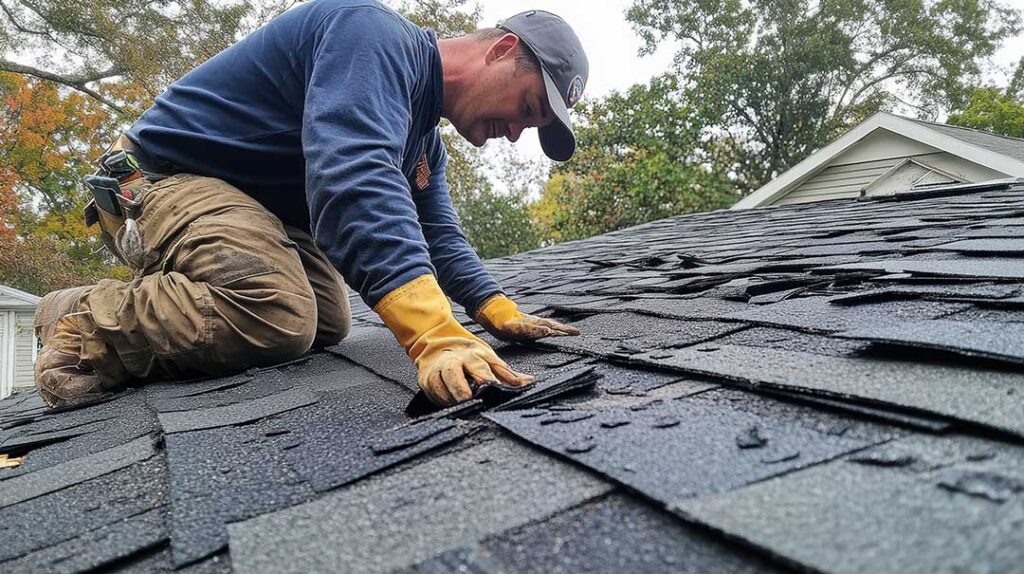
- Fading and discoloration: Shingles gradually lose their original color, sometimes patchily, especially on the side of a roof that gets the most afternoon sun.
- Surface cracking or warping: Certain materials, particularly older asphalt shingles, may crack or curl at the edges as oils dry out and structural flexibility is lost.
- Loss of granules: Asphalt shingles shed their protective granules under long-term UV exposure, making them thinner and less effective against rain and snow.
- Brittleness: Extended sun exposure makes some materials, like PVC or low-quality synthetic membranes, more rigid and prone to snapping under stress, especially in the freeze-thaw cycles experienced locally.
Are Corfu Roofs More Vulnerable than Those in Hotter Places?
Roofs in Corfu don’t face the relentless sun intensity seen in hotter, southern climates. However, the style and age of many local homes, along with seasonal extremes, create a unique risk profile:
- Sunlight combined with high humidity can accelerate mildew and algae formation, especially on roofs with low slopes or lots of shade-rested moisture.
- Sudden shifts from cool spring mornings to unexpectedly bright, warm afternoons can stress materials that have already been through long winter freeze-thaw cycles.
- Wide seasonal swings mean even moderate annual UV exposure adds up—small cracks can become big leaks over time.
Which Sides of a House Are Most at Risk?
Generally, roofing surfaces facing south or west gather the most direct sunlight during midday and afternoon, leading to noticeably faster wear. In the Corfu area, homes with large, unshaded roof sections oriented toward open fields are particularly prone to uneven aging.
Practical tip: When checking for sun-related wear, pay careful attention to the south- and west-facing roof slopes.
What Roofing Materials Stand Up Best to Sunlight?
Some materials cope better with sun exposure than others:
- Metal roofing reflects UV well and tends to remain stable under sun, though paint finishes can fade.
- Architectural asphalt shingles are often treated with UV-resistant additives, but still lose granules over time.
- Clay or concrete tiles resist sunlight effectively but are rare in this part of New York due to their weight and cold-weather vulnerability.
- Slate, seen occasionally on older homes in the region, offers strong sun resistance and keeps its color, though installation and repair can be costly.
Homebuilders in this area often select materials for all-weather durability, but it’s worth considering UV performance when replacing or repairing a roof.
Can Protective Coatings Make a Difference?
Modern roofing technologies include UV-reflective coatings or additives, sometimes called "cool roof" treatments. These aren’t common on older Corfu homes, but have started to appear on newer builds and energy-efficient upgrades. These coatings:
- Reflect more sunlight, reducing surface heat.
- Slow down shingle color fading.
- Help shingles keep their granules longer.
While such products help, they don’t eliminate sun damage over decades. They’re most effective when combined with good installation and routine care.
Does Sunlight Increase Cooling Costs for Local Homes?
Yes, especially for homes with dark, sun-exposed roofs and little shade from trees. As a roof absorbs sunlight, heat radiates into attics and upper living spaces, raising interior temperatures. In Corfu’s warmer months, this can lead to increased air conditioning use or reliance on window fans.
Well-ventilated attics, light-colored or reflective roofing, and solid attic insulation help reduce this effect.
What Can Homeowners Do to Reduce Sun Damage?
Direct repair or replacement isn’t always necessary—there are small, routine steps property owners can take to minimize the impact of sun exposure:
- Regular inspections: Checking for faded, cracked, or curled shingles annually helps spot early issues before leaks develop.
- Gentle roof cleaning: Removing moss or algae prevents further damage. Use only mild solutions and low-pressure tools to avoid harming weakened shingles.
- Keeping gutters clear: Ensures rainwater flows off quickly, reducing water sitting on sun-damaged slopes.
- Trimming trees: While large branches offer shade, they should be safely pruned back to prevent storm damage.
Avoid power washing or harsh chemical treatments, as these may speed up wear on sun-weakened roofing.
Common Misconceptions About Sun and Roofs
*Myth: Cooler climates don’t have to worry about sun damage.*
While winters in Corfu are cold and cloudy, summer UV exposure is still high enough to impact most materials over time.
*Myth: Only dark roofs get damaged by the sun.*
Light-colored roofs reflect more sunlight but are still susceptible to UV breakdown. No roofing is truly sun-proof.
When Should Residents Seek Expert Evaluation?
If sun exposure has led to shingles that crumble, frequent leaks, or unexplained energy bill increases, a full roof assessment may be warranted for safety and energy efficiency. Also, after unusually hot, dry stretches—rare but possible locally—it’s wise to check for sudden changes in roof texture or appearance.
