
Do All Roofs Last the Same Amount of Time?
No, the lifespan of a roof varies significantly depending on materials, installation quality, and local conditions.
Some area homeowners believe that once a roof is installed, it will reliably last the number of years listed on the packaging or warranty. In reality, climate fluctuations in Corfu—from freezing winters with heavy snow loads to humid, wet springs—often shorten that estimate.
- Asphalt shingles, the most common roofing material for homes in the community, typically last 15-25 years but may fail sooner if exposed to ice dams or improper attic ventilation.
- Metal roofs can perform well for 40 years or more, but only if installed correctly and kept clear of accumulating debris.
- Wood shakes and shingles, though less common, require more frequent inspection and cleaning because local humidity and wind-driven rain accelerate wear.
Periodic professional assessment is the only reliable way to gauge a roof’s actual condition, rather than assuming the published lifespan applies exactly.
Is It True That All Roof Leaks Are Easy to Spot?
Most roof leaks do not immediately reveal themselves as obvious drips or visible water stains.
There’s a misconception that a leaking roof always makes itself known before causing damage, but hidden leaks are a real issue in area homes, especially with older ventilation and attic designs.
- Water can enter through damaged flashing, cracked shingles, or missing sealant, slowly soaking roof decking or insulation long before a stain appears indoors.
- Small leaks are often first detected by odor, peeling paint, or mysterious mold outbreaks in corners and closets.
This means annual inspections and attic check-ups—especially after thunderstorms or winter events—serve as a preventive step that could avoid more extensive interior repairs.
Are Roofing Repairs Just for Curb Appeal?
Some residents believe that fixing a missing shingle or slightly curling edge is mainly about looks.
The reality is, that small defects often signal underlying problems—not just cosmetic wear. In Corfu’s climate, where freeze-thaw cycles can expand even tiny cracks, minor damage often leads to bigger issues if ignored.
Quick patchwork can put off bigger repairs, but overlooking minor flaws may allow moisture to infiltrate roof layers, degrading the entire assembly.
- Addressing small repairs early, such as resetting loose flashing or resealing exposed nailheads, goes a long way in extending a roof's functioning life span and protecting structural elements underneath.
Does Attic Ventilation Really Matter That Much?
Many area homeowners underestimate the connection between attic airflow and roof health.
A common misconception is that attic ventilation is mostly about indoor comfort or energy savings. In reality, poor ventilation can seriously shorten a roof’s life in local households due to high humidity, condensation, and ice buildup.
- Blocked or poorly designed vents allow moisture to accumulate, leading to mold and rot in the decking—a frequent hidden cause of early roof replacement in homes with packed insulation or closed-off eaves.
- Ice dams, which happen when heat escapes into the attic and melts snow on the roof, occur more often in homes without enough ridge or soffit venting.
Upgrading attic airflow can often address both summer heat issues and costly winter roof repairs without requiring a full replacement.
Should a Roof Only Be Checked After a Storm?
Storms are a major concern locally, so it’s understandable some residents check their roofs only after heavy weather.
However, most roofing problems develop gradually. Relying solely on post-storm checks can allow unnoticed issues to grow between seasons.
Common overlooked causes of wear that occur regardless of recent weather include:
- UV damage from summer sun, which slowly dries out and cracks shingles
- Moss and algae growth, especially on shaded roofs or after wet springs
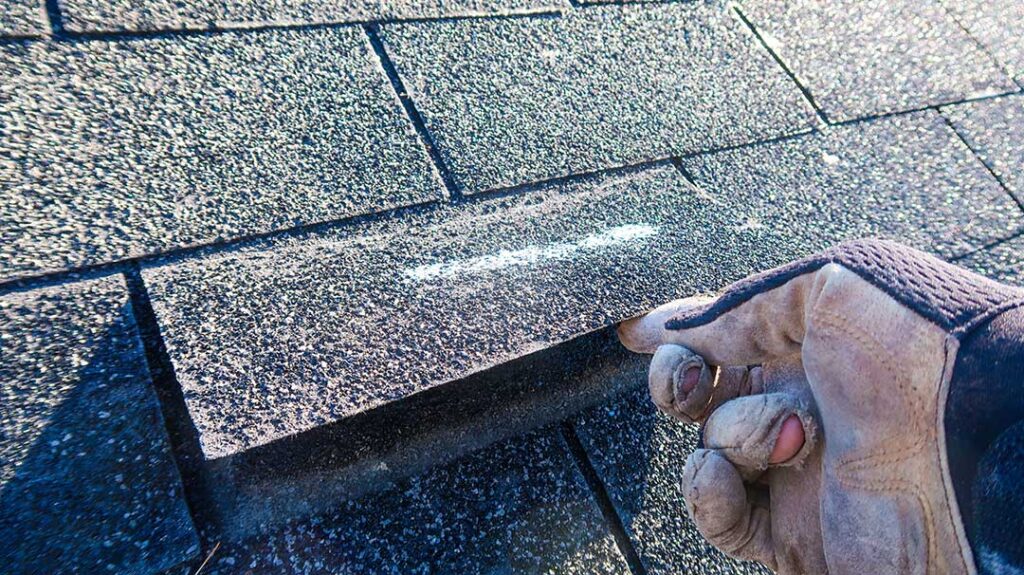
- Shingle granule loss (the gritty texture on asphalt shingles), which can signal aging and expose roofs to faster weathering
Periodic observation from the ground and a comprehensive annual inspection help catch trouble before significant damage occurs.
Are All Roofs the Same Regardless of House Style or Age?
Roofs must be matched to both the architectural style and the era of each home to function optimally.
Many citizens of the community think upgrades are straightforward, but older homes often come with quirks: unusual pitch angles, outdated underlayment, or non-standard framing sizes. These can require specific materials or installation methods for best results.
- Victorian, Craftsman, ranch, and cape-style homes in the area may each need different flashing types, shingle patterns, or even special order materials.
- New roof installations on older homes should always address hidden conditions like weak decking or outdated airflow systems, rather than just placing new material over old.
Understanding a home’s unique structure helps ensure any maintenance or new roof investment delivers both curb appeal and lasting protection.
Are “Quick Fixes” With Caulk or Tar a Lasting Solution?
Some property owners try to address leaks or gaps with surface-level sealants.
While handy in an emergency, this approach rarely solves the underlying problem for more than a season.
- Caulk and roofing tar can crack, shrink, or peel when exposed to New York’s wide temperature swings and moisture cycles.
- Patches applied over shingle layers often trap moisture, worsening rot below.
Permanent repairs usually involve identifying the leak source, removing all compromised material, and restoring both waterproofing and breathability.
Does Roof Maintenance Really Make a Difference in Insurance Claims?
Some area residents imagine insurance will cover all roof damage regardless of circumstances.
However, insurers can deny claims if the damage is linked to neglect, repeated minor leaks, or aging materials.
- Keeping dated or visibly worn roofs in service without routine maintenance creates documentation challenges when filing.
- Inspections, photo records, and documented repairs provide clear evidence, making the claims process easier if a big storm truly causes sudden or accidental damage.
Understanding what insurance expects in terms of upkeep, as well as regional differences in covered events, can help avoid frustrating surprises after an issue.
