
Why Do Shingles Curl and Crack in Corfu, NY?
Shingle curling and cracking are among the most visible signs of roofing wear that homeowners in Corfu, NY encounter, especially after several seasons of changing weather. These issues are commonly a result of age, moisture exposure, inadequate ventilation, or simple material fatigue.
Shingles curl when their edges lift up or their centers rise, sometimes forming an arch. Cracking refers to visible splits or tears appearing on the surface. Both can allow water intrusion, reducing your roof's lifespan and potentially leading to further damage within the home.
In Corfu, roofs face distinct challenges, including snow accumulation in winter, freeze-thaw cycles in spring, and midday sun during the summer. These repeated expansions and contractions can accelerate wear, making these symptoms more common than in milder regions.
What Are the Most Common Causes for Curling and Cracking on Local Roofs?
Aging is the leading cause, but other factors also play significant roles for local homes:
- Attic Ventilation: Inadequate airflow beneath the roofing can trap moisture and heat, causing shingles to dry, curl, or crack prematurely.
- Weather Extremes: Corfu experiences temperature swings and seasonal storms, which stress roofing materials.
- Improper Installation: Shingles that aren’t properly aligned or nailed down can lift or crack sooner than expected.
- Previous Damage: Hail impact, blowing debris, or ice damming from past winters sometimes cause initial cracks that worsen over time.
Even well-installed roofs age, but preventing rapid deterioration depends on a home’s ventilation, insulation, and ongoing care.
How Can Residents Identify Shingle Problems Before They Worsen?
Early detection is possible with regular, safe visual inspections. Key warning signs include:
- Shingles that appear wavy or have lifted edges
- Noticeable splits or threads of daylight visible between overlapping shingles
- Discoloration or dark streaks, which sometimes indicate moisture or algae presence
- Granule loss, making shingles look patchy or bare
It’s safest to examine the roof from the ground, using binoculars if needed. Checking after severe weather, or during seasonal changes, can help catch issues before they progress into costly repairs.
What Maintenance Practices Can Slow Down Shingle Curling and Cracking?
Area households can prolong roof life by maintaining a few practical routines:
- Keep Gutters Clear: Gutters packed with leaves or ice prevent proper water drainage, heightening risks for shingle lifting or cracking.
- Manage Attic Conditions: Adequate ventilation and insulation in attics counteract excessive heat or dampness that damage roofing from below.
- Remove Debris Promptly: Large branches, leaves, or moss buildup trap moisture and weigh down shingles during wet or snowy periods.
- Address Ice Dams: When heavy snows melt unevenly, water can refreeze on roof edges, stressing shingles. Safely removing minor dams or improving attic airflow reduces this risk.
While these steps help most, older roofs that continually shed granules or show widespread curling may be nearing the end of their effective lifespan.
Are There Short-Term Fixes or Should Shingles Be Replaced?
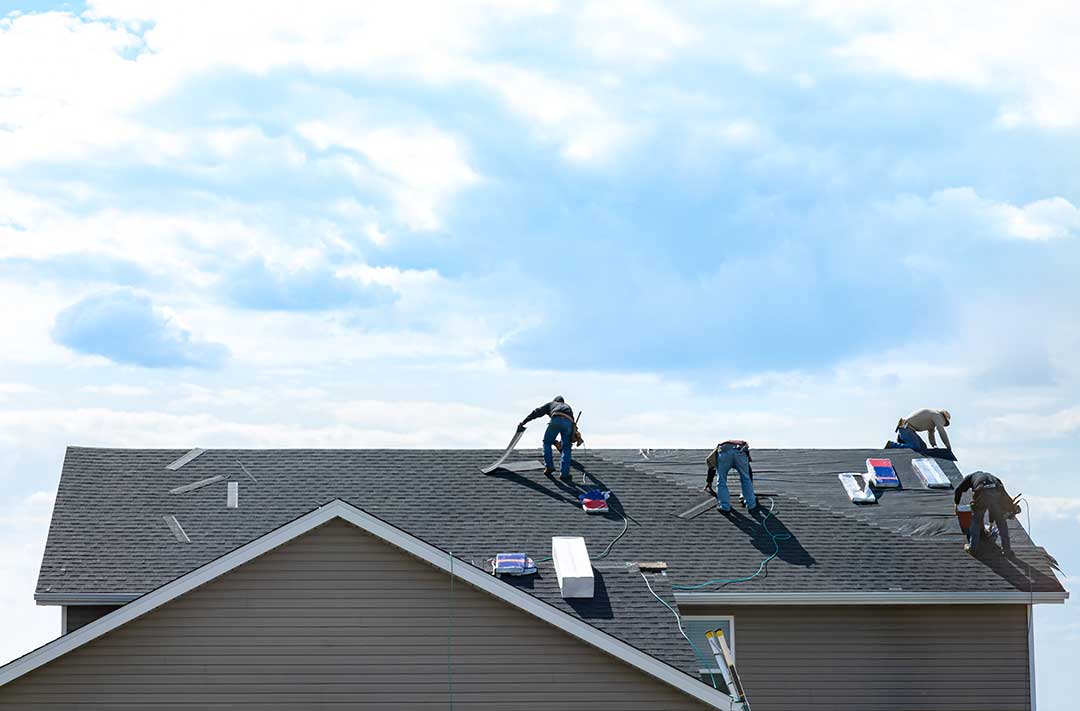
For isolated curling or small cracks, residents sometimes flatten curled shingle edges using roofing cement under the affected area, pressing gently until set. Temporary fixes might also include clear roofing sealant applied to fine cracks to minimize water entry.
However, these solutions are not permanent, particularly with repeated freeze-thaw cycles common in Corfu’s climate. If more than a handful of shingles are affected, or leaks are present inside the home, replacement of the damaged section is generally more reliable.
Shingle manufacturers typically provide recommendations for specific short-term repairs, but any work on steep or high roofs in Corfu should only be attempted if residents are confident in their safety.
What Problems Can Happen If Curling and Cracking Go Unchecked?
Ignoring these warning signs often leads to more expensive repairs. Curled or cracked shingles create entry points for water, which can result in:
- Leaks that stain ceilings and walls inside the home
- Mold or mildew in attics and living spaces
- Rotting wood supports or roof decking
- Higher heating and cooling costs due to insulation damage
- In severe cases, structural deterioration that might affect home value or safety
Given the weather patterns in Corfu, routine inspection is the first line of defense to prevent larger and costlier issues.
How Does Corfu’s Climate Affect Shingle Longevity Compared to Other Areas?
Corfu’s climate brings a combination of cold winters with accumulated snow and periods of high humidity in spring and summer. These cycles encourage moisture absorption and release in asphalt shingles, which exacerbates curling, especially if shingles are older or the attic is under-ventilated.
Wind-driven rain and blowing snow also cause more physical movement along shingle tabs, sometimes prying up or splitting edges that aren’t well-adhered. Even newer roofing can experience isolated problems after harsh storms typical to the region.
Regular care, including addressing minor issues as soon as discovered, helps area roofs last as long as possible given these local conditions.
When Is It Necessary to Involve an Expert for Shingle Repair?
While many minor repairs are possible for handy homeowners, safety is a critical concern. If the affected area is steep, slippery, icy, or extends over large sections of the roof, intervention by someone with proper safety equipment and experience is advised.
In cases where structural wood beneath the roof shows rot, mold, or sagging, inspection by a qualified professional is typically safer and more effective in ensuring the problem is thoroughly addressed. Checking local guidelines regarding roof repairs can also offer clarity, as some repairs may require compliance with building regulations.
