
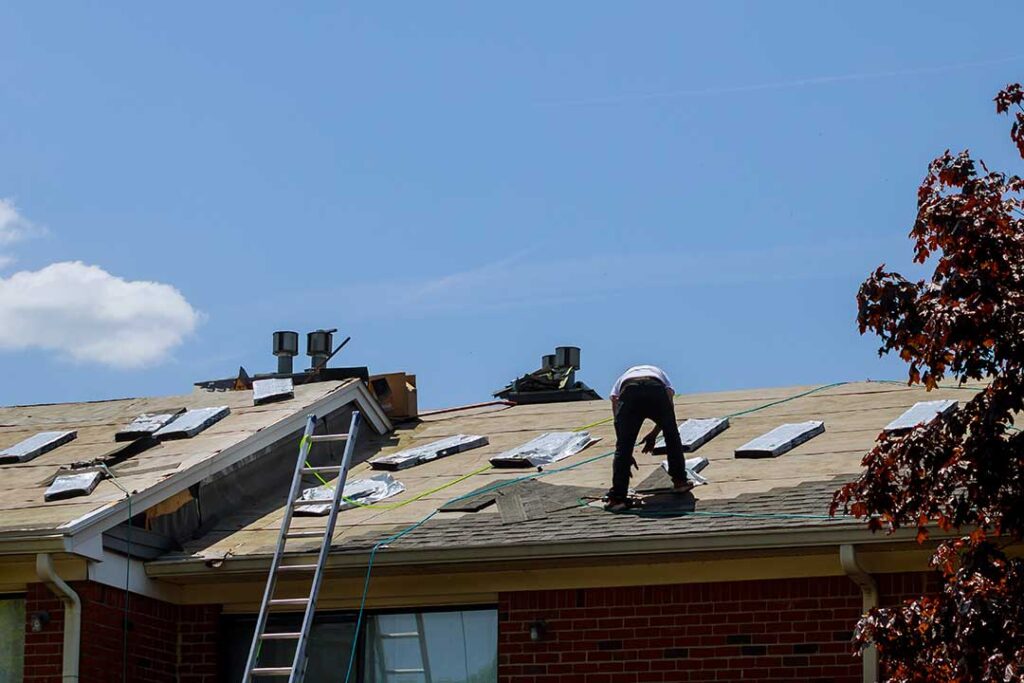
What Are the Basic Differences Between Flat and Sloped Roofs?
Flat and sloped roofs differ mainly in their angle or pitch. Flat roofs have a low slope—usually under 10 degrees—while sloped roofs have a steeper angle that allows water and snow to slide off more easily. Local homes in Corfu, NY feature both types; the choice often reflects building style, age, and the practical needs created by the environment.
Flat roofs are commonly seen on modern homes, additions, or commercial buildings. Sloped roofs are typical of traditional houses, barns, and older residential buildings scattered through the area.
How Do Weather and Seasonal Changes Affect Roof Choice in Corfu, NY?
Given Corfu’s cold winters and frequent snowfall, the roof’s ability to handle precipitation is crucial. Sloped roofs naturally shed snow and water, reducing risk of leaks or heavy buildup. This is one reason why many classic homes in the community have steep, triangular rooflines.
Flat roofs can still work well, but they demand careful design and maintenance. Accumulated snow melts slower on flat surfaces; if melting and refreezing cycles occur, the result can be pooling water or ice dams. These risks mean residents with flat roofs must pay closer attention to roof drainage after heavy storms and during thaw cycles.
Which Roof Lasts Longer—Flat or Sloped?
Generally, sloped roofs have a longer lifespan in climates like this one. Because water and snow drain away faster, sloped roofs tend to have fewer problems with leaks or structural stress.
- Typical lifespan for a well-maintained sloped asphalt shingle roof: 20–30 years.
- Typical flat roof membranes in this region: 10–20 years, depending on materials and upkeep.
Both types can last longer with timely repairs, high-quality installation, and seasonal maintenance. Ignoring snow removal on a flat roof, or failing to clear gutters on a sloped roof, can shorten roof life dramatically.
Are There Differences in Installation and Maintenance?
Flat roofs:
- Require special waterproof membranes or coatings, since water tends to pool.
- Need more frequent inspections for signs of ponding water or membrane damage.
- Repairs can often be simpler and safer, since walking on a flat roof is easier.
Sloped roofs:
- Can use a range of shingles, tiles, or metal panels—many suited specifically for snowy climates.
- Usually easier to keep clear of water and debris, thanks to their angle.
- Repairs may require more caution on steeper pitches, especially during icy weather.
Residents should consider their ability to conduct routine checks. For those planning to manage basic maintenance themselves, roof pitch and accessibility both matter.
What About Energy Efficiency and Insulation?
Flat roofs are often easier to insulate effectively, since the attic or roof cavity is a single, uniform space. Proper insulation is essential for energy savings, and flat roofs often get built with high-performance membranes or foam.
Sloped roofs may have more varied attic spaces, and may be more prone to heat loss if insulation and ventilation are not carefully planned. However, well-built sloped roofs can also perform efficiently—especially with continuous attic insulation and air sealing.
In both types, the right insulation helps prevent ice dams, a common winter issue in Corfu, by keeping roof surfaces cold enough to avoid premature snowmelt.
How Does Roof Type Affect Home Design and Use?
Flat roofs create options for outdoor living spaces, such as roof decks or green roof gardens. In areas with smaller lots or additions that expand upward rather than outward, a flat roof may suit the home’s design and lifestyle needs.
Sloped roofs tend to provide extra storage or living space in the form of attics or lofts. Their classic appearance remains popular throughout the community, blending well with existing homes and rural scenery. If historical appearance or matching neighbors’ homes is important, a sloped roof usually fits better.
Are There Special Building Rules for Roofs in Corfu, NY?
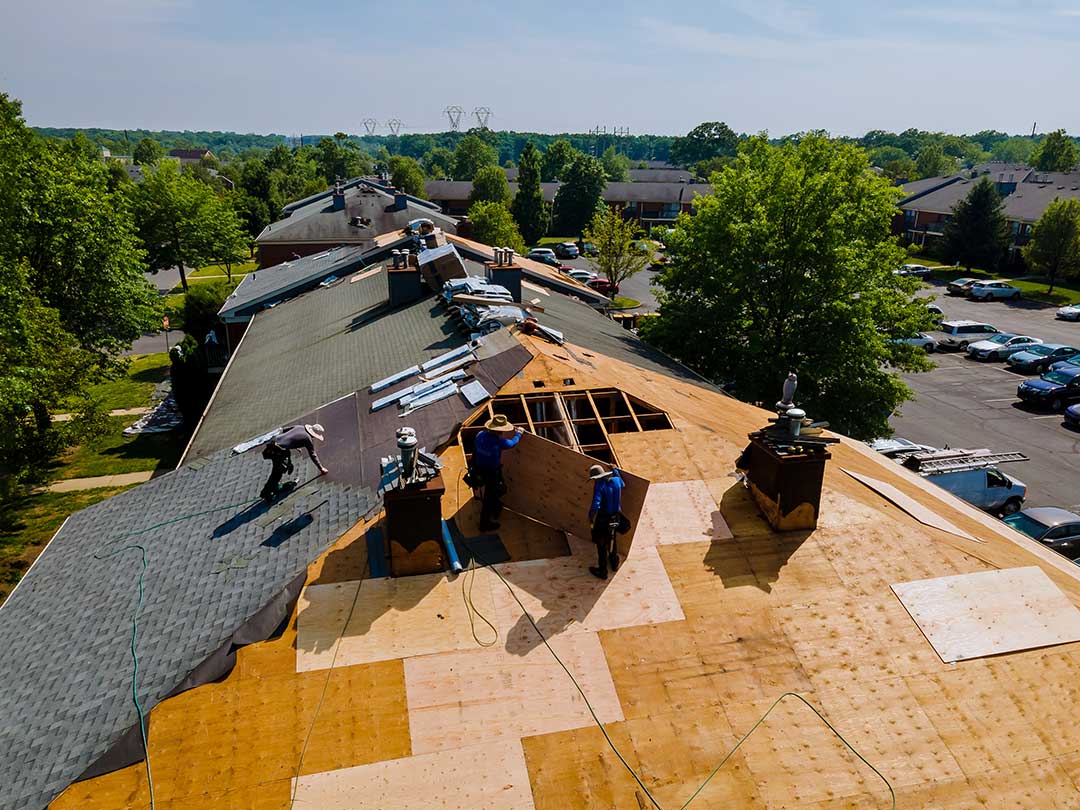
Local codes require every roof to manage water effectively to prevent damage to neighboring properties and public infrastructure. Sloped roofs typically meet these requirements naturally, but flat roofs must include engineered drainage systems.
Residents making significant roof changes—swapping pitch, adding decks, or converting attic spaces—should check Corfu’s permitting rules ahead of time. There are also requirements for snow load, insulation, and fire resistance, which may impact material or structural choices regardless of roof shape.
What Are Common Misconceptions?
- Flat roofs are not truly flat; there is always a slight angle to permit drainage, even if it is not noticeable.
- Sloped roofs do not eliminate leaks entirely—they just handle water differently.
- Modern flat roof systems can be highly reliable, provided they are maintained and inspected regularly.
- All roofs in this region, regardless of type, face challenges from freeze-thaw cycles, and strong winds—not just snow.
Which Roof Is Easier to Repair if Problems Arise?
Flat roofs may be quicker to patch, but repairs can be frequent if drainage is poor. Walking safely on a flat surface is easier than working on a steep pitch, particularly in snowy or icy weather, which can help with minor fixes.
Sloped roofs, with their many overlapping shingles or tiles, can make some repairs more labor-intensive. However, good quality sloped roofing materials often withstand damage longer before repairs become necessary.
For large repairs, safety concerns always come first, especially in icy seasons. If the roof is tall, steep, or slippery, professional help may be needed to avoid falls.
How Should Corfu, NY Residents Decide?
Choosing between flat and sloped roofs means weighing the home’s style, practical needs, maintenance abilities, and response to local weather. Consider:
- The typical volume of snow, rain, and wind the home faces each year
- Planned uses for attic or roof space
- Personal preference for aesthetics, historic appearance, or modern design
- Comfort with seasonal roof care, like clearing snow or monitoring drainage
Both types can perform well in Corfu when built and maintained thoughtfully. Knowing the trade-offs helps homeowners make choices that keep their homes protected for many years.
