
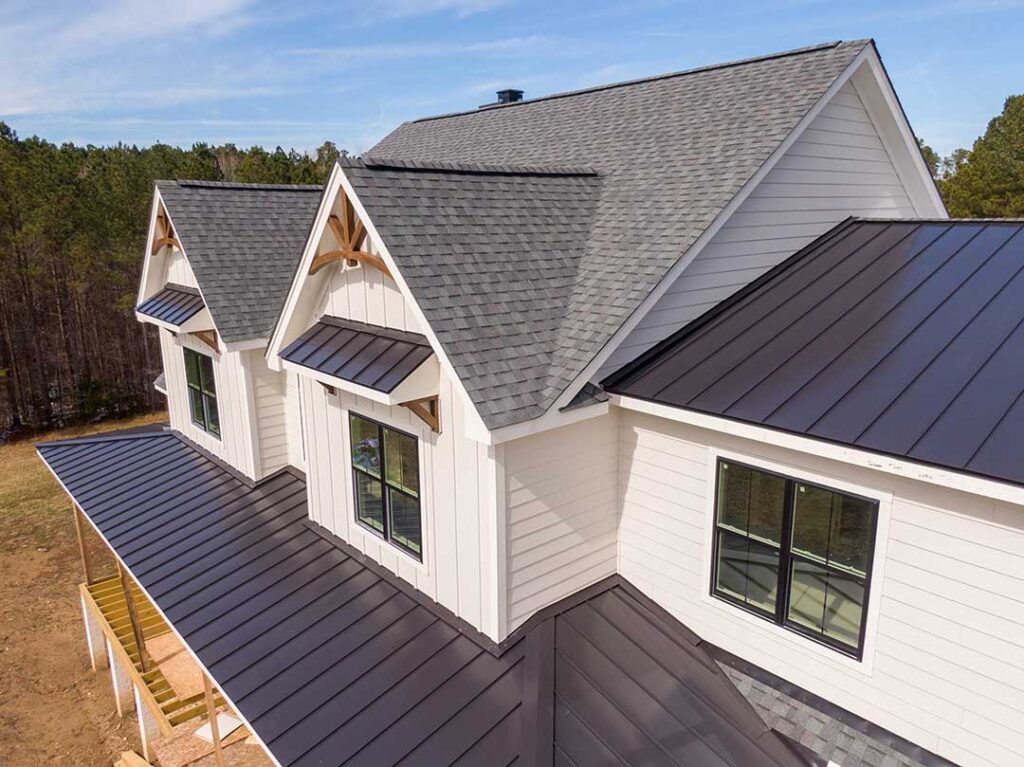
Green roofing can be worthwhile for some homes in Corfu, NY, but the right choice depends on the roof’s structure, slope, drainage, maintenance needs, and the household’s goals. “Green roof” may refer to a planted roof, a reflective roof surface, recycled roofing materials, or a roof designed to work with solar panels. These options do not offer the same benefits or require the same investment.
For local homeowners, the most practical sustainable improvements are often better insulation, durable materials, reflective surfaces, careful water management, and longer roof service life. A planted roof can work in limited situations, but it is not automatically the most environmentally responsible option.
What does “green roofing” mean?
Green roofing is a broad term rather than one specific product. It generally describes roofing choices that reduce environmental impact, lower energy use, manage stormwater, or make better use of existing materials.
Common categories include:
- Vegetated roofs: Roofs covered with specially selected plants, growing medium, drainage layers, and waterproofing.
- Cool roofs: Roofing surfaces designed to reflect more sunlight and absorb less heat.
- Recycled-content roofing: Shingles, tiles, or panels made partly from reclaimed materials.
- Recyclable roofing: Materials that may be recovered and reused or recycled at the end of their service life.
- Solar-ready roofing: Roof systems planned to support solar equipment without creating drainage or maintenance problems.
- Long-life roofing: Durable materials that may require fewer replacements over several decades.
A roof does not need to be covered with plants to be considered environmentally responsible. In many cold-climate homes, extending the roof’s useful life and preventing premature replacement may provide more practical benefits than installing a complex system.
Are planted roofs suitable for local homes?
Planted roofs can reduce stormwater runoff, protect the waterproofing layer from ultraviolet exposure, and provide insulation during some seasons. They can also create habitat for insects and improve the appearance of flat or gently sloped structures.
However, a planted roof is a specialized assembly. It may include:
- A reinforced roof deck
- Waterproofing that can resist root growth
- A root barrier
- Drainage and water-retention layers
- Growing medium
- Plants suited to the roof’s exposure
- Edge protection and overflow drainage
Snow, ice, spring thaw, and heavy rainfall create additional concerns in this region. The structure must support the weight of the roof system when the growing medium is saturated and snow has accumulated. Drainage paths must remain open, and the roof membrane must be installed correctly because leaks can be difficult to locate beneath multiple layers.
For these reasons, planted roofs are generally more realistic on garages, additions, commercial buildings, and low-slope structures designed for that purpose. A typical steeply pitched house roof is usually a poor candidate unless the entire system is engineered for the added weight and maintenance requirements.
Can a cool roof help with energy costs?
A cool roof uses a surface that reflects more solar energy and releases absorbed heat more effectively than a darker, less reflective surface. This can reduce heat gain during warm weather, especially on buildings with low-slope roofs or limited attic insulation.
The benefit may be smaller in a home with a well-ventilated, well-insulated attic. In a cold climate, the main heating-season savings usually come from insulation, air sealing, and proper ventilation rather than from roof color alone.
A reflective roof may still be useful for:
- Homes with finished attic rooms
- Buildings with limited shade
- Low-slope roofs exposed to strong summer sun
- Garages, workshops, and additions that become excessively hot
- Structures where reducing summer cooling demand is a priority
A light-colored roof is not automatically better in every situation. Appearance, snow shedding, neighborhood design requirements, material durability, and the condition of the existing roof also matter.
Which roofing materials are more sustainable?
Sustainability depends on the full life cycle of a material, not just its recycled content. A roof that contains recycled material but fails early may create more waste than a durable roof that lasts much longer.
Important factors include:
- Expected service life
- Resistance to wind, moisture, ice, and temperature changes
- Amount of material used
- Manufacturing and transportation impacts
- Repairability
- Reuse or recycling options
- Compatibility with the existing roof structure
Metal roofing can have a long service life and may contain recycled content. Some metal products are also recyclable after removal. Asphalt shingles remain common because they are widely available and relatively affordable, but their environmental impact depends on manufacturing, replacement frequency, and whether removed shingles can be diverted from disposal.
Wood shakes, synthetic roofing, slate, and tile each have different strengths and limitations. Weight, fire characteristics, maintenance, installation requirements, and local weather exposure should be considered before focusing only on the material’s environmental label.
Does a green roof help with winter conditions?
A green roof does not eliminate problems caused by snow, ice dams, or freeze-thaw cycles. In fact, poor design can make moisture problems more difficult to detect.
Winter performance depends heavily on the complete roof assembly:
- Adequate attic insulation helps keep the roof surface more uniform.
- Air sealing limits warm, moist air from reaching the underside of the roof.
- Proper ventilation helps control moisture and temperature differences.
- Continuous drainage reduces the chance of trapped water.
- Durable flashing protects transitions around chimneys, walls, vents, and roof edges.
- Strong installation practices reduce wind and ice-related damage.
In this climate, energy efficiency and sustainability are closely connected. A roof that keeps the attic dry, limits heat loss, and remains watertight through repeated freezing and thawing may be a better environmental choice than a more unusual system that requires frequent repairs.
Is solar roofing part of green roofing?
Solar panels are often discussed alongside green roofing because they can reduce dependence on electricity generated from fossil fuels. However, solar equipment is not a substitute for a sound roof.
The roof should have sufficient remaining service life before panels are installed. Otherwise, the roofing may need to be disturbed or removed earlier than expected. Solar planning should also account for snow shedding, roof penetrations, attachment points, drainage, and future maintenance.
A roof with strong sun exposure may be a good candidate, while heavy shading or an aging roof may reduce the practical benefit. Solar shingles and roof-mounted panels also have different installation and repair considerations. The most suitable option depends on the building’s orientation, electrical setup, roof condition, and expected length of ownership.
What is the most practical sustainable option for an older home?
For many older homes, the most effective approach is to improve the existing roof system rather than replace it with an experimental or highly specialized design.
Useful steps may include:
- Repairing leaks before they spread into insulation and framing
- Improving attic insulation and air sealing
- Confirming that roof and soffit ventilation are functioning properly
- Choosing durable materials suited to the roof’s slope
- Reusing or recycling removed materials where facilities accept them
- Installing flashing carefully around roof penetrations
- Keeping gutters, downspouts, and drainage routes clear
- Planning replacement around the roof’s actual condition rather than appearance alone
A roof that lasts longer, sheds water reliably, and reduces heat loss can provide meaningful environmental benefits without requiring a planted roof.
Are green roofing options worth the cost?
They can be, but the answer depends on the specific goal. A planted roof may be worthwhile for a properly designed low-slope structure where stormwater control and habitat are priorities. A reflective roof may make sense for a hot attic or lightly insulated building. Recycled-content or long-life materials may be valuable when a roof is already due for replacement.
For many households, the strongest value comes from combining practical measures: sound waterproofing, effective insulation, durable materials, responsible disposal, and regular maintenance. In a place with snowy winters and changing temperatures, a sustainable roof is not simply the one with the most visible environmental features. It is the system that performs reliably, uses resources efficiently, and avoids unnecessary replacement over its service life.
