
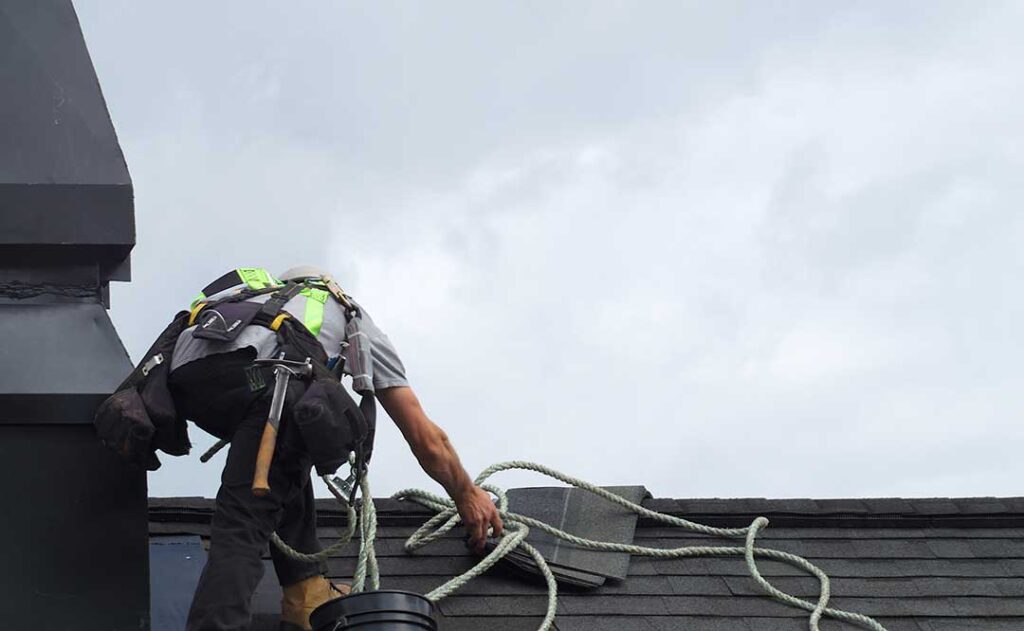
Removing leaves, branches, moss, and other debris from a roof helps protect shingles, gutters, flashing, and drainage paths. For households in Corfu, NY, seasonal wind, falling leaves, heavy rain, and winter snow can all leave material on the roof or trapped along its edges.
Roof cleaning is not simply a matter of making the shingles look better. Debris can hold moisture against roofing materials, block gutters, hide damaged areas, and add unnecessary weight. The safest approach depends on the roof’s slope, surface condition, height, and the type of debris present.
What roof debris should be removed?
Most roof debris consists of organic material or windblown objects. Common examples include:
- Leaves, pine needles, and seed pods
- Small branches and twigs
- Acorns and other yard debris
- Moss, algae, and loose organic buildup
- Clumps of wet snow
- Animal nesting material
- Pieces of damaged shingles or flashing
- Debris collected behind plumbing vents, chimneys, or roof structures
Leaves and small branches are usually easier to identify, but hidden debris can be more troublesome. A layer of wet leaves may conceal cracked shingles, loose metal, or a blocked drainage area. Debris is especially likely to accumulate in roof valleys, behind chimneys, beneath overhanging branches, and along gutters.
Should you walk on the roof to remove debris?
Most homeowners should avoid walking directly on a roof unless they have the proper training, equipment, and experience. Asphalt shingles become slippery when wet, and older shingles can crack under foot pressure. Steep, tall, or irregularly shaped roofs create additional fall hazards.
A roof may also appear dry while retaining moisture beneath leaves or moss. Frost, dew, and thin ice are difficult to see and can make footing unpredictable. In the local climate, late-season cleanup may also involve cold temperatures, wind, and rapidly changing conditions.
From the ground, inspect whether debris can be removed safely with an extension tool. If roof access requires climbing onto a steep surface, crossing a wet area, standing near an edge, or working close to overhead power lines, the task should not be treated as routine household maintenance.
What tools are safest for light debris?
For small amounts of loose debris, use tools designed to reach from a stable position without scraping the roofing surface.
Useful options may include:
- A roof rake with a non-abrasive head
- A soft-bristle extension brush
- A leaf blower used only from a safe location
- Work gloves and eye protection
- A stable ladder equipped with proper level footing
- A bucket or ground tarp for collecting material
Avoid garden rakes, shovels, hoes, and metal tools. Their edges can loosen granules, tear shingles, puncture membranes, or damage flashing. Even plastic tools can cause harm if pulled forcefully across brittle or aged roofing.
A leaf blower can remove dry leaves, but it should not be used to blast debris under shingles, into attic vents, or toward people, windows, vehicles, and neighboring property. Wet leaves and compacted organic matter generally require gentler removal rather than high-force air.
How can leaves and branches be removed without damaging shingles?
Begin by removing the lightest, loosest material first. Work from the ground whenever possible and pull debris downward, not upward toward the ridge. Lifting material against the direction of the shingles can catch edges and dislodge granules.
Do not drag branches across the roof. Larger pieces should be lifted away only if they can be reached safely. A branch that is wedged under flashing or caught around a vent may be connected to damaged roofing materials. Pulling it free can enlarge the damage.
After the visible debris is gone, inspect the roof from the ground or from a safe ladder position. Look for:
- Missing, curled, or cracked shingles
- Exposed underlayment
- Bent or separated flashing
- Sagging sections
- Gutter sections pulling away from the roof edge
- Dark moisture stains or areas of persistent moss
- Granules collecting heavily at downspout outlets
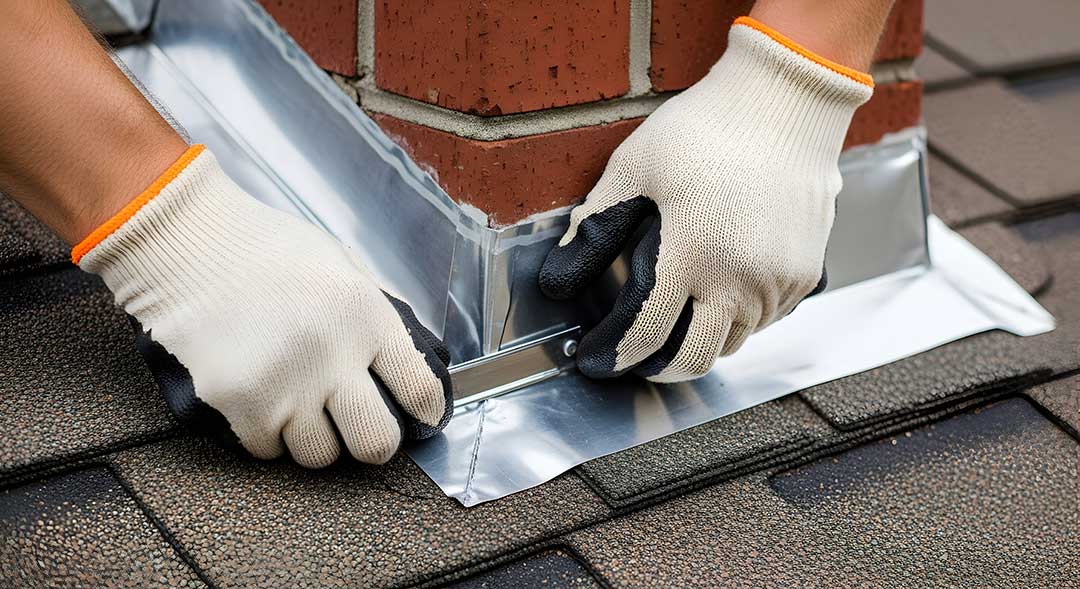
A small amount of loose granule loss can occur as shingles age, but piles of granules or widespread bald spots may indicate deterioration.
How should debris be removed from gutters?
Gutters often receive more debris than the roof itself. Leaves and needles can form a dense mat that blocks water and adds weight to the gutter system.
Clean gutters from a stable ladder position rather than leaning sideways from the roof edge. Scoop out material by hand while wearing gloves, then flush the channel with a controlled amount of water if temperatures are above freezing and the downspout appears open.
Check whether water exits at the bottom of each downspout. If it backs up, the blockage may be inside the downspout or at an underground outlet. Do not force a rigid object through a downspout if doing so could damage a joint or buried connection.
Gutter cleaning is particularly useful before periods of heavy rain and after most leaves have fallen. In Corfu, fall debris can remain in place through winter, where it may freeze and expand inside the gutter.
What about moss, algae, and stuck-on organic growth?
Moss should not be scraped aggressively from shingles. Its root-like growth can lift shingle edges, while scraping can remove protective granules. Moss also tends to return when a roof remains shaded and damp.
Loose surface growth may sometimes be brushed gently with a soft tool, but cleaning solutions should be used cautiously. Household bleach, strong acids, and improvised chemical mixtures can damage roofing, plants, soil, siding, and metal components. Runoff can also enter storm drains or affect nearby vegetation.
Moss or algae may signal a moisture-retention problem rather than a simple appearance issue. Overhanging limbs, blocked valleys, poor ventilation, and persistent shade can all contribute. Removing nearby branches and improving drainage may help, but roof materials that have already been lifted or weakened require closer evaluation.
How should wet snow and ice be handled?
Snow should not be removed from a roof merely because it is present. A properly designed roof is generally intended to carry ordinary winter snow, while unnecessary scraping can damage shingles.
The situation changes if snow is unusually deep, drifting heavily on one roof section, pressing against roof structures, or contributing to visible sagging. Ice dams can also cause water to collect behind frozen roof-edge ice, where it may move beneath shingles.
Never chip ice with a hammer, axe, or metal bar. Do not climb onto an icy roof. Snow removal from a roof becomes a serious safety task when it involves deep accumulation, ice, a steep slope, or uncertainty about the structure’s condition.
When is debris a sign of a larger roof problem?
Debris removal should lead to a basic condition check, not just a cleaner roof. Repeated accumulation may point to overhanging trees, damaged flashing, loose roofing materials, or areas where wind can enter beneath shingles.
Take special care after strong wind, heavy rain, or falling branches. Look for indoor warning signs such as ceiling stains, damp attic insulation, musty odors, or daylight visible through the roof deck. These symptoms suggest that water may already be entering the structure.
If removal requires roof access, involves a damaged area, or exposes electrical, structural, or fall hazards, stopping is safer than attempting a quick repair. Roof debris is manageable when it is loose, light, and reachable without dangerous climbing. Once the task involves ice, unstable materials, steep slopes, or hidden damage, the risk is no longer limited to yard cleanup.
